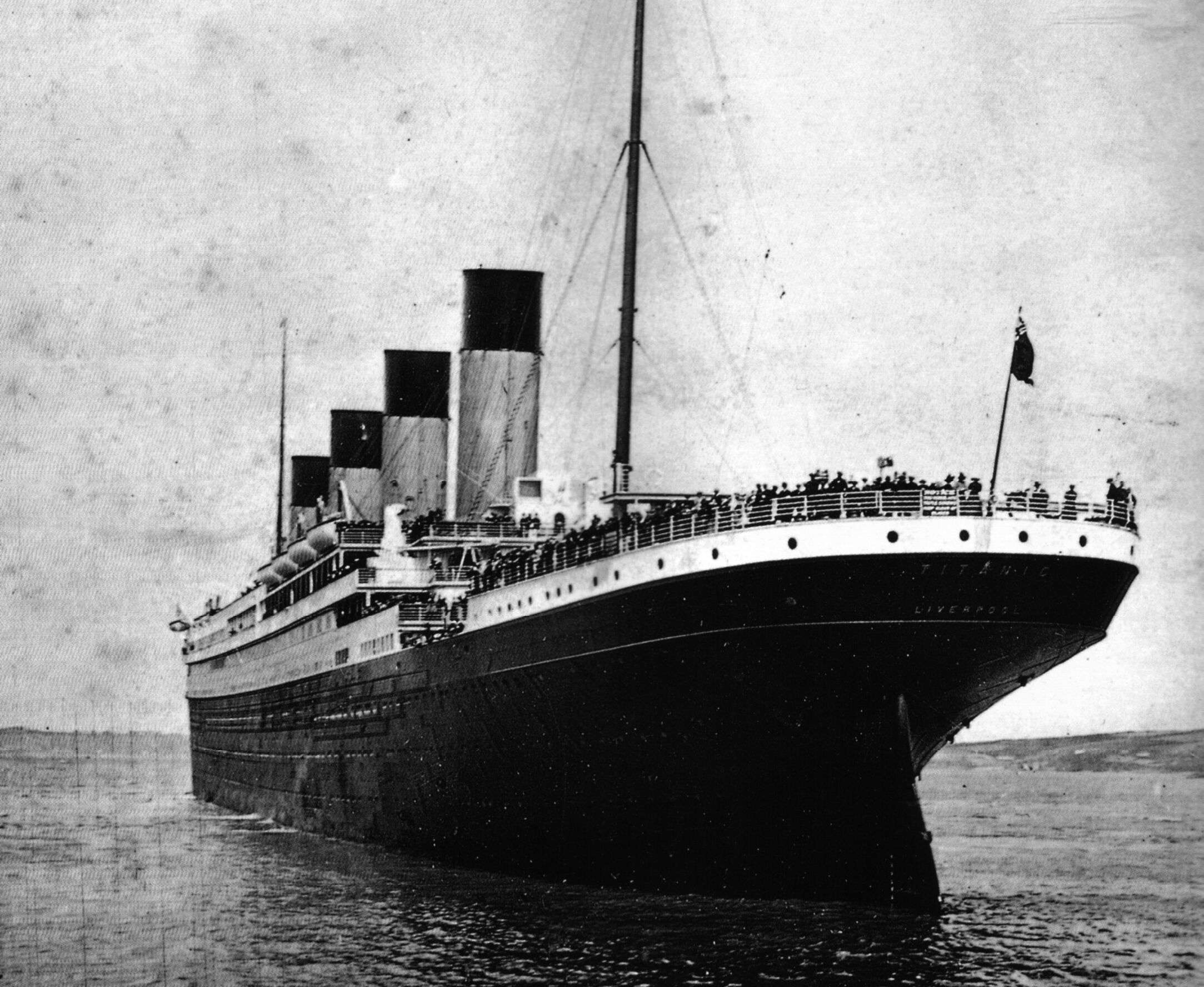
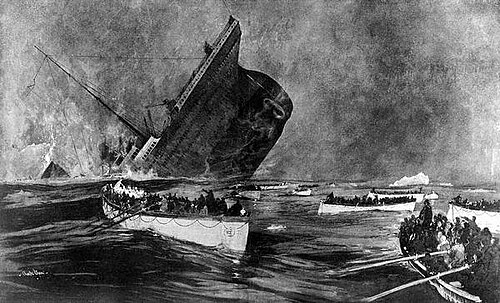
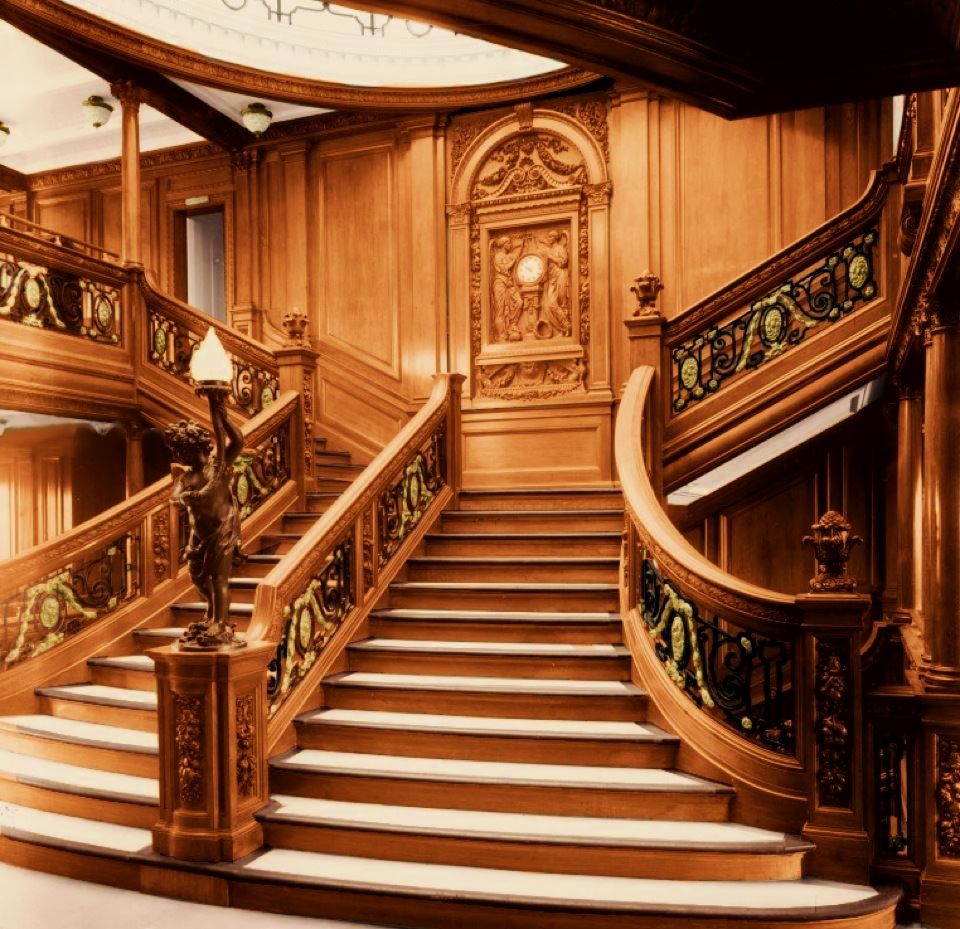
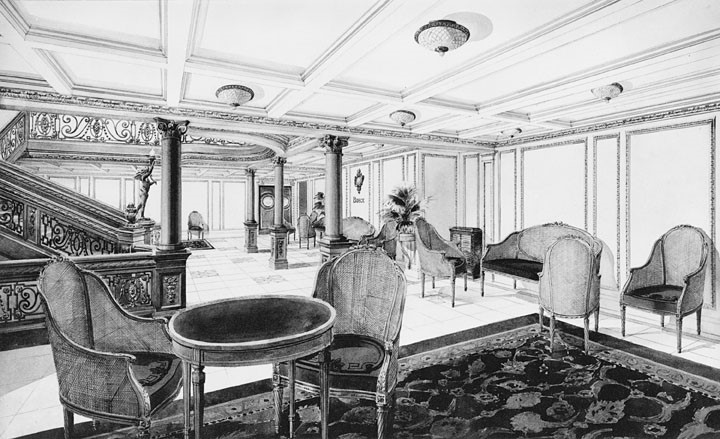
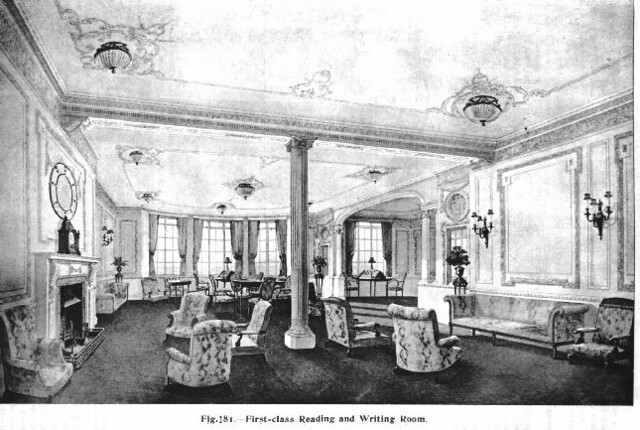
One of not only my largest, but most esteemed rabbit holes as a child was none other than the RMS Titanic. The ill-fated flagship from White Star Line that descended the depths of the North Atlantic on its maiden voyage. The documentation of the Titanic is quite peculiar at the least with thousands of pages of sworn testimony within weeks of its sinking. These transcripts are held as primary sources with information from survivors, crew, and maritime experts on record who often contradict one another in shall we say revealing ways?
The Titanic was built at Harland & Wolff in Belfast, and laid down in 1909. Her design involved a double-bottom hull, sixteen watertight compartments, and a "flotation" calculation that assumed she could float with any four forward compartments flooded. The iceberg however opened five. The steel and rivet quality is one of the most contested things since the wreck's discovery in 1985. Metallurgical analysis of some recovered samples raised questions about whether the steel was brittle at low North Atlantic temperatures and whether the iron rivets, particularly those in the bow, could have failed prematurely.
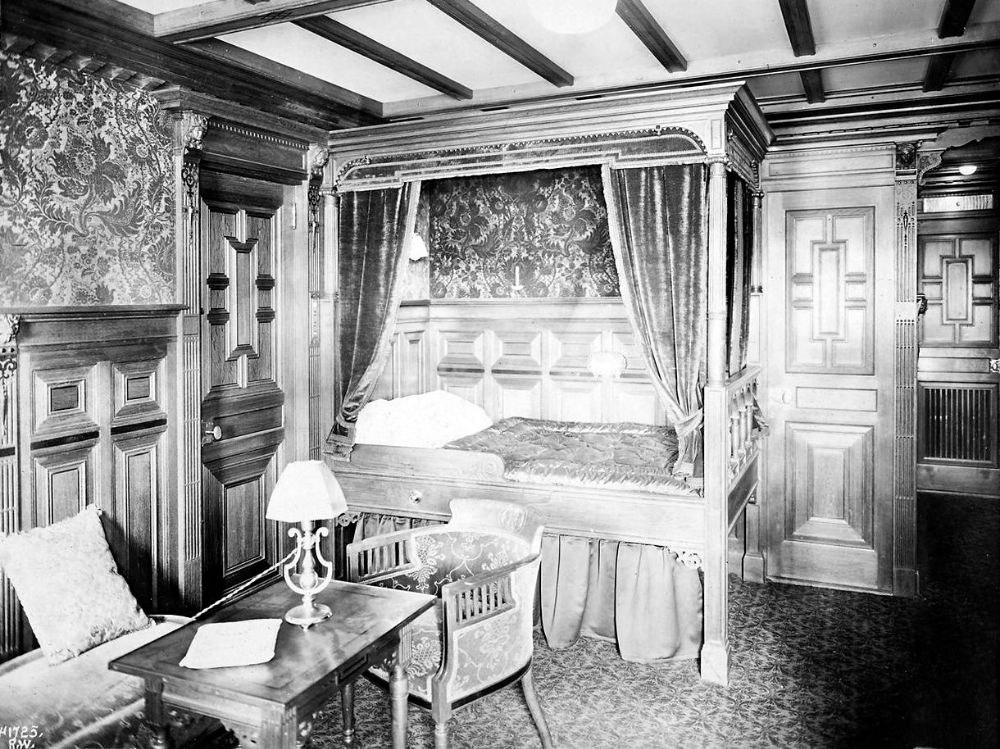
The survival statistics are well-established and as expected with first-class passengers surviving at dramatically higher rates than third-class passengers and crew. A prime example of sociological analysis in Edwardian class structure. The ideology of "women and children first" (which in practice and theory I do happen to agree with) was enforced rather unevenly by deck with the treatment of third-class passengers relative to lifeboat access.
The disaster also produced the first International Convention for the Safety of Life at Sea (SOLAS, 1914), which introduced mandatory lifeboat provision for all passengers, 24-hour radio watch requirements, and the International Ice Patrol.
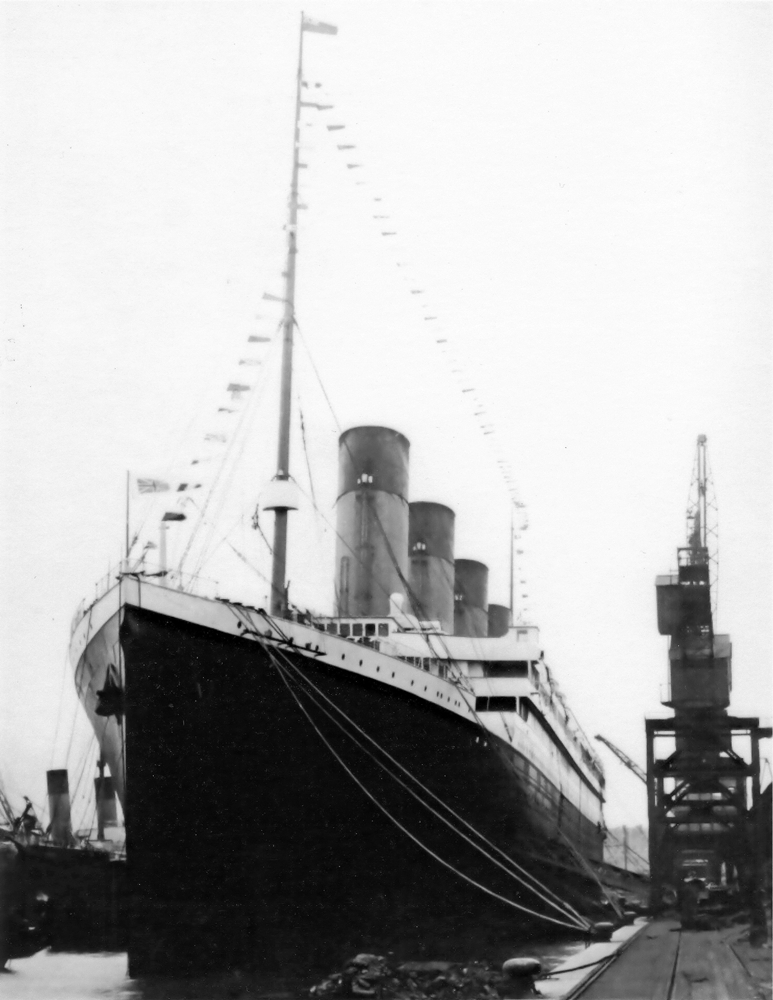
There are a few conspiracies related to the sinking of the Titanic. I will only cover here the couple that interest me. The Switch Theory seemingly being the most persistent claim holds the White Star Line responsible for intentionally sinking the Olympic (Titanic's sister ship) disguised as the Titanic to collect insurance. The argument advanced by Robin Gardiner uses damage records, serial numbers on recovered objects, differences in porthole arrangements in photographs, and more as substantiation of his claims. Another interesting theory is that of J.P. Morgan and the Federal Reserve involving Morgan, John Jacob Astor, Isidor Straus, and Benjamin Guggenheim (all opponents of the proposed Federal Reserve) were specifically targeted, and that the disaster was engineered to remove them.
Recommended
-
To Read
Primary Sources
- U.S. Senate Inquiry into the Loss of the Titanic: Hearings Before a Subcommittee of the Committee on Commerce (GPO, 1912)
- British Board of Trade Inquiry: Report on the Loss of the SS "Titanic" (HMSO, 1912), Lord Mersey presiding
- Foecke, Tim, Metallurgy of the RMS Titanic (NIST IR 6118, 1998)
Papers
- Hall, Wayne, "Social Class and Survival on the S.S. Titanic," Social Science and Medicine, 22:6 (1986)
- Wormstedt, Bill, Tad Fitch & George Behe, "The RMS Titanic Sinking: A Reassessment of the Casualty Figures," Journal of the Titanic Historical Society (2011)
- McCarty, Jennifer Hooper & Tim Foecke, What Really Sank the Titanic: New Forensic Discoveries (Citadel Press, 2008)
History & Social Analysis
- Biel, Steven, Down with the Old Canoe: A Cultural History of the Titanic Disaster (Norton, 1996)
- Eaton, John P. & Charles A. Haas, Titanic: Triumph and Tragedy (Patrick Stephens, 2nd ed., 1994)
- Maxtone-Graham, John, The Only Way to Cross (Macmillan, 1972)
- Ballard, Robert D. & Rick Archbold, The Discovery of the Titanic (Warner/Madison Press, 1987)
- Pellegrino, Charles, Her Name, Titanic (McGraw-Hill, 1990)
Conspiracy & Alternative Claims
- Gardiner, Robin & Dan van der Vat, The Riddle of the Titanic (Weidenfeld & Nicolson, 1995)
Notes
See Also
- International Convention for the Safety of Life at Sea (SOLAS, 1914) (placeholder)