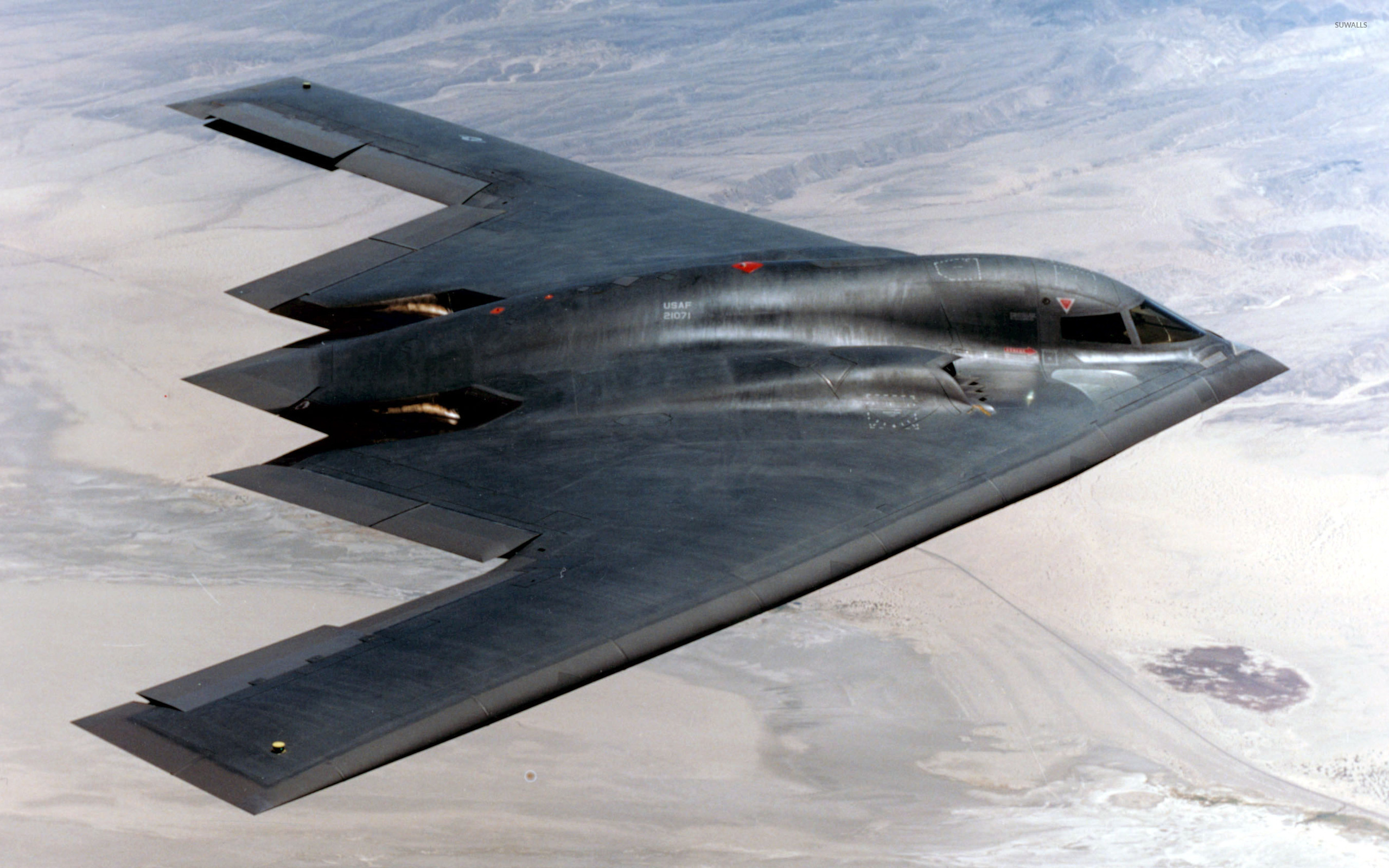
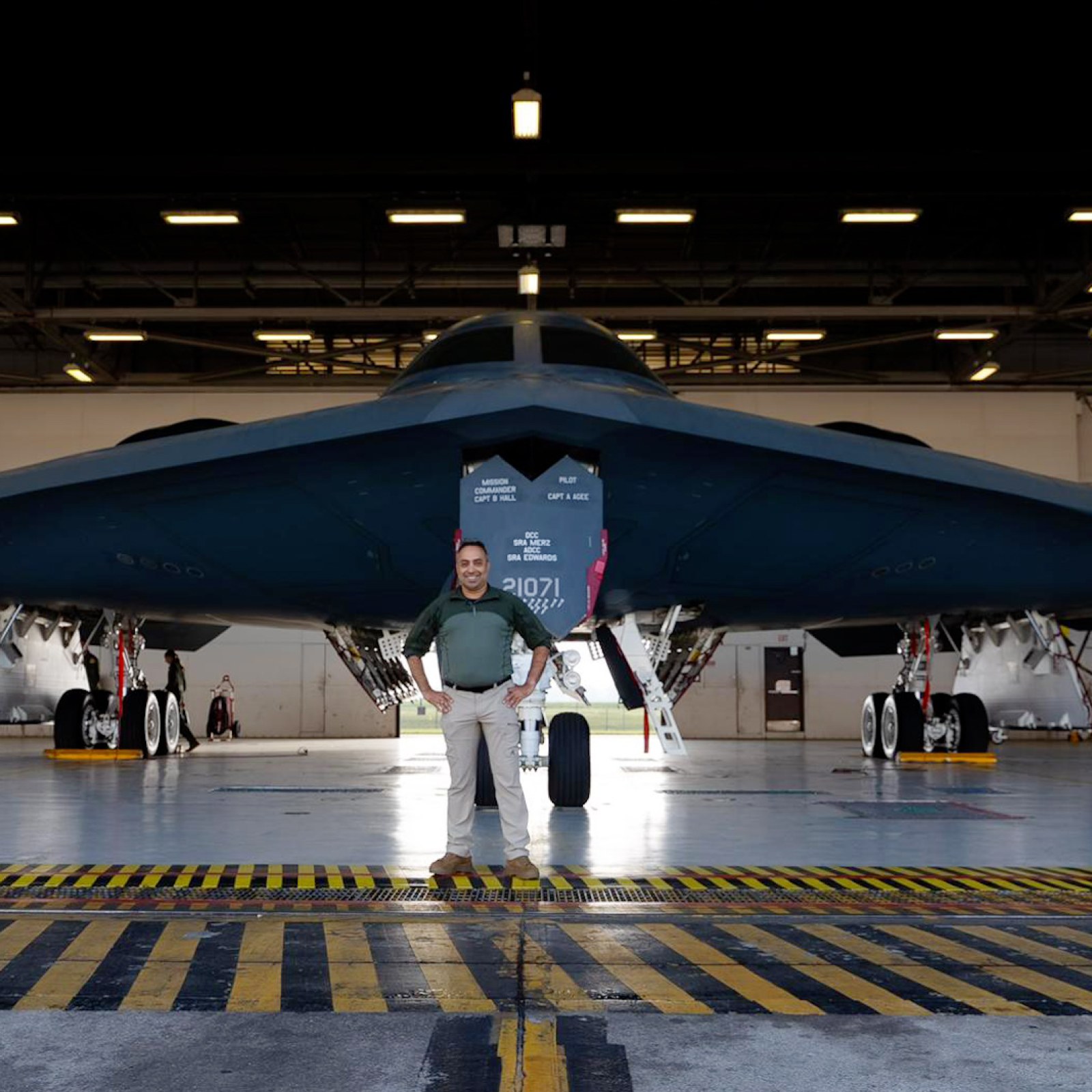
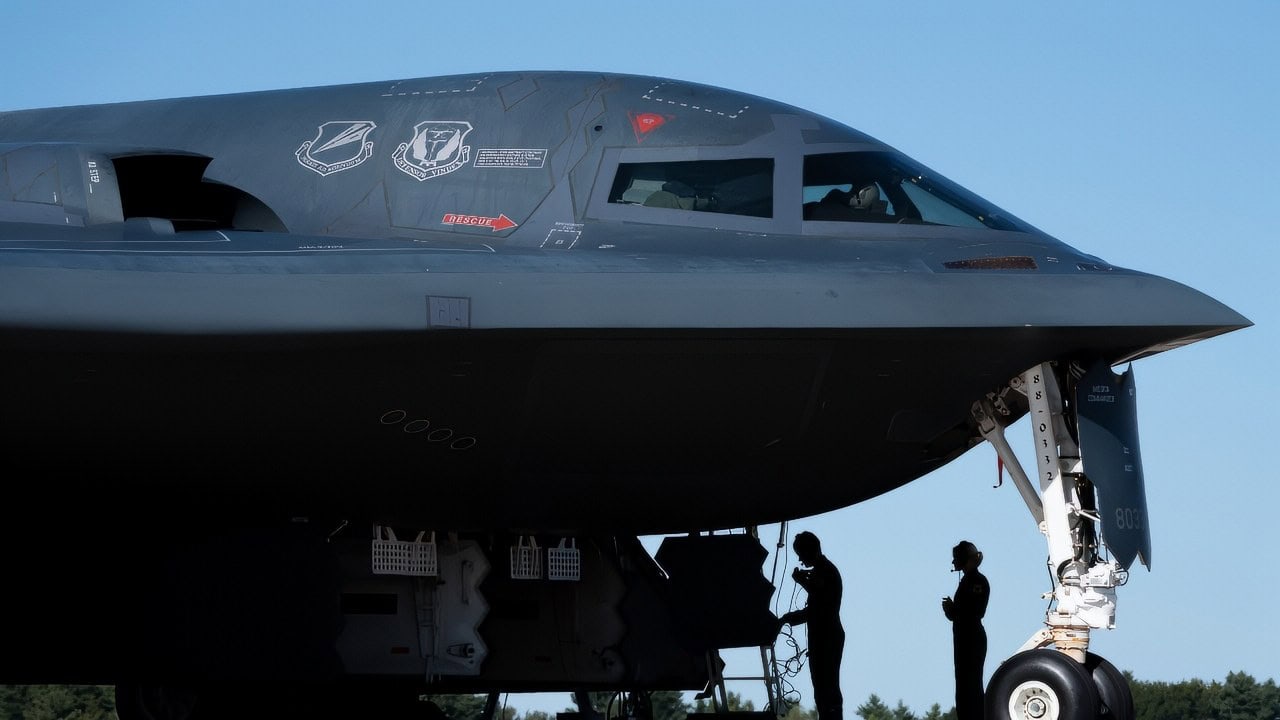
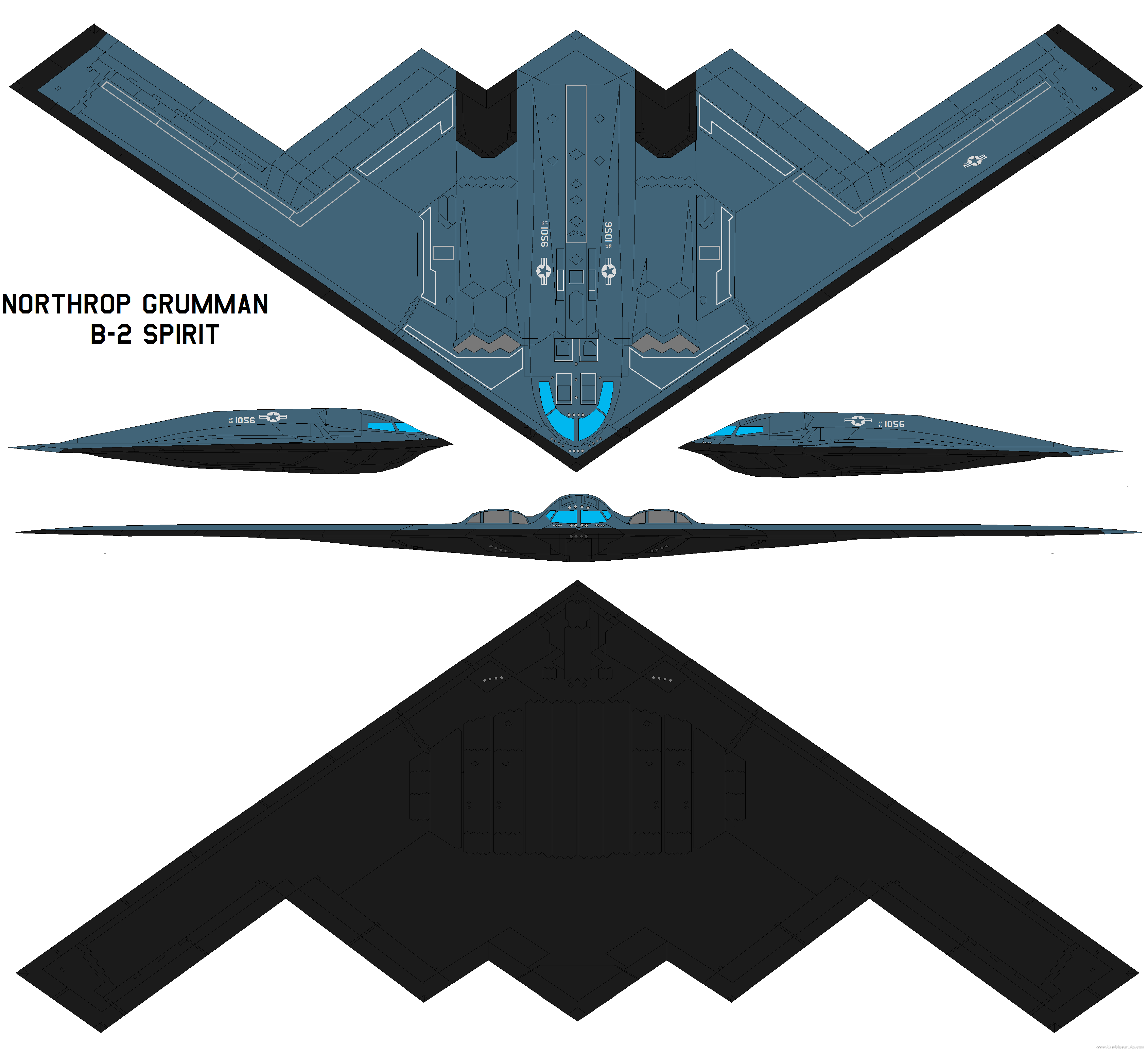
Outside my phase of loving standing by airport windows watching Boeing planes take off as a child, and my current relative hate of aviation noise above my apartment on a nightly basis, I've had no particular interest in aviation. I have however always to some extent admired the aesthetic, engineering, and physics of the craft. That is to say that my lack of interest in the craft has been completely reoriented by my interest in one magnificent machine. The Northrop B-2 Spirit, fairly named for something that looks like it belongs to the celestial realm. The B-2's root flying wing concept was first pursued by Jack Northrop in the 1940s. Northrop had experience developing flying wing aircraft. The YB-35 and YB-49 and this lineage fed directly into the B-2 design.
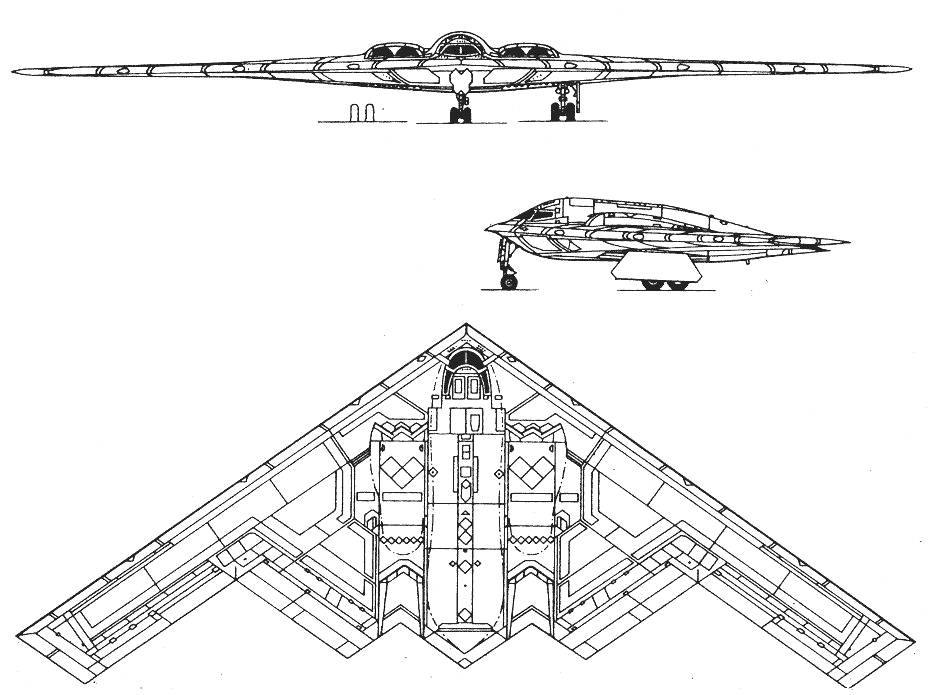
The most interesting thing about this aircraft, setting aside its $2.13 billion dollar price point, is its stealth system. The design I've heard referred to as an "infinite flat plane" which is considered the theoretical ideal for stealth. It lacks angles to reflect radar waves back. Not to mention the B-2 is made mostly of carbon-graphite composite material that is doubly stronger than steel and lighter than aluminum while also absorbing a fair bit of radar energy. An interesting connection here is Soviet physicist Pyotr Ufimtsev who showed that radar scattering properties of surfaces could be treated analytically with a mathematical model. Interestingly enough, due to Soviet military policymakers failing to see its strategic potential, he published internationally, allowing U.S. engineers to draw upon the theory for their own use cases.
The original plan was a procurement of 132 B-2s. What resulted was 21 B-2s at a total cost of $44.7 billion. By the early 1990s the Soviet dissolution had effectively eliminated the Spirit's mission, and that paired with the 1996 GAO disclosure that the B-2 would be, by far, the costliest bomber to operate on a per aircraft basis -- over three times as much as the B-1B and over four times as much as the B-52H. Each hour of B-2 flight necessitated 119 hours of maintenance.
The first use of B-2s was in combat during Operation Allied Force 1999, B-2 bombers flew non-stop missions from Whiteman Air Force Base to Kosovo and back. With a single mission lasting 44 hours, the longest combat sortie in the history of air warfare at that time. More recently, and likely the cause of the increase in content surrounding the B-2 and my inevitable discovery of it, was its use in June of 2025 attacking nuclear sites in Iran, and further strikes following in early 2026.
Recommended
-
To Read
Foundational
- Ufimtsev, Pyotr, Method of Edge Waves in the Physical Theory of Diffraction (1962; USAF translation, 1971)
- Jack Northrop, taped interview on YB-49 cancellation (1979)
- Edward T. Maloney, Northrop Flying Wings (World War II Publications, 1988)
Papers
- GAO, B-2 Program Status and Current Issues (NSIAD-90-120, 1990)
- GAO, B-2 Bomber: Status of Cost, Development, and Production (NSIAD-95-164, 1995)
- Congressional Budget Office, The B-2 Bomber: An Analysis of the Program (1995)
- Knott, Eugene F., John F. Shaeffer & Michael T. Tuley, Radar Cross Section (SciTech Publishing, 2nd ed., 2004)
History & Industrial Policy
- Sweetman, Bill, B-2 Spirit: The Stealth Bomber (Motorbooks International, 1992)
- Polmar, Norman & Timothy M. Laur, Strategic Air Command: People, Aircraft, and Missiles (1990)
- Reed, Thomas C., At the Abyss: An Insider's History of the Cold War (2004)
- Baker, David, "Northrop's Big Wing -- The B-2," Air International, June 1993
- Stallard, Graham, "B-2 Intrigue," Air International, August 1993
Lineage & Conspiracy
- Maloney, Edward T., Northrop Flying Wings (World War II Publications, 1988)
- Congressional Record, B-36 procurement hearings, June 1949
Notes
See Also
- Jack Northrop (placeholder)