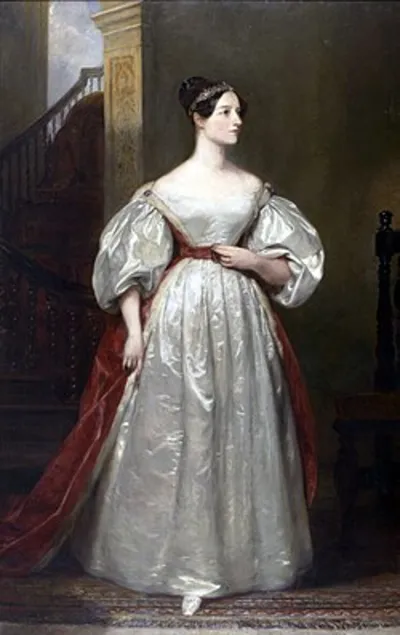
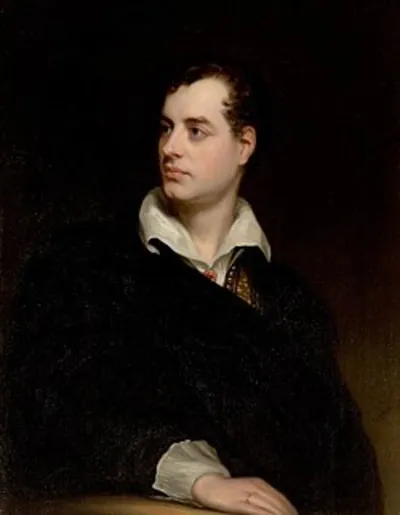
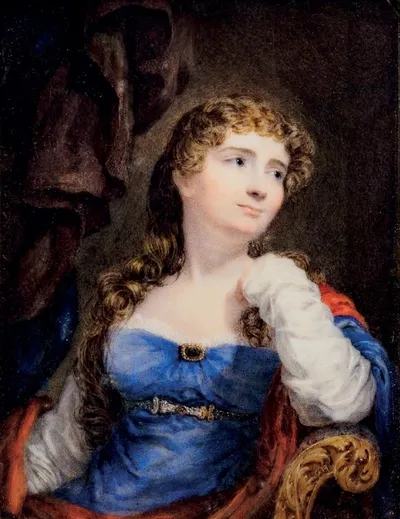
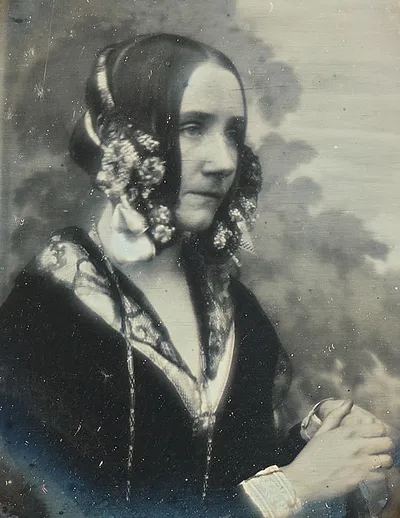
Augusta Ada King, Countess of Lovelace was known for her work on the Analytical Engine. The general-purpose computer proposed by Charles Babbage. She was an English mathematician and writer. Born as the sole legitimate daughter of Lord Byron, the union of her parents was broken a month after her birth. Her mother Anne Isabella Noel Byron, 11th Baroness Wentworth and Baroness Byron, who was nicknamed Annabella and referred to as Lady Byron, was a philanthropist and educational reformer.
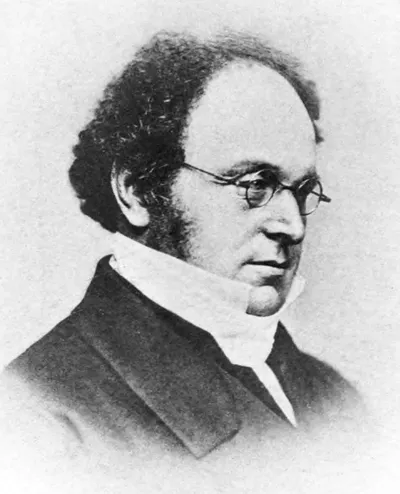
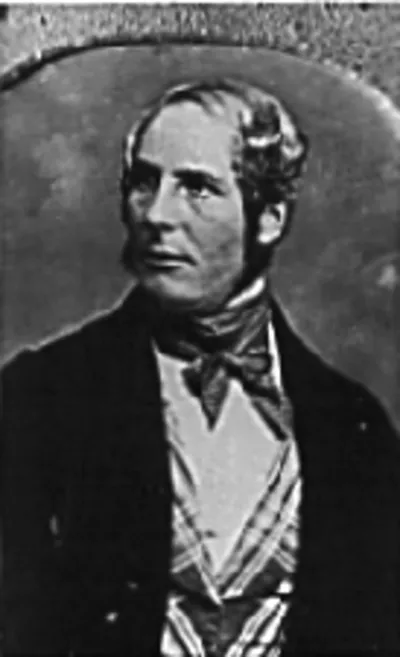
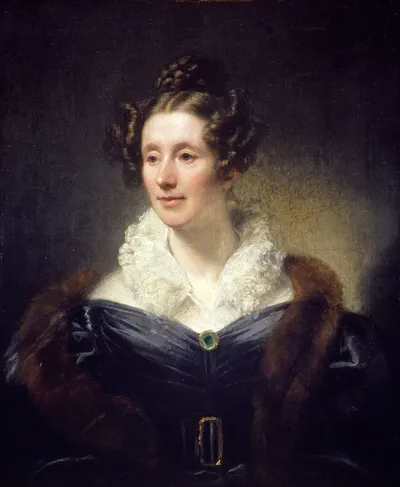
Ada's early childhood is simply one of the most poetic things I've ever heard. Her mother early in life deliberately pushed Ada into mathematics and formal logic with the goal of countering the "poetic madness" of her father. Poetry and the likes of literature were heavily discouraged in her childhood, with discipline ranging from written apologies to forced stillness. She grew up on isolated estates with tutors and governesses, with a highly controlled and structured education. Never having attended formal school or university education, she instead trained under a rotating cast of private tutors such as Mary Somerville, William Frend, and William King. In 1840-41, when Ada was around 24-25, she began to have serious correspondence with Augustus De Morgan (the first professor of mathematics at University College London). At around 25-27 her instruction deepened, with De Morgan assigning topics across algebra, calculus foundations, and symbolic reasoning through mail. This is well after 1833, so she has already met Babbage.
In a letter to Annabella Byron in 1843, De Morgan wrote:
"Had any young beginner, about to go through the same course, come to me with these abilities, I should have said at once that they were capable of becoming an original mathematical investigator, perhaps of first-rate eminence. But it is not to be supposed that I mean to say that Lady Lovelace will ever become such. I only say that she has the capacity for it, if she were to persevere."
Recommended
-
To Read
- Correspondence between Ada Lovelace and Augustus De Morgan (1840 to 1842), available through the Clay Mathematics Institute digital archive
- Sketch of the Analytical Engine invented by Charles Babbage, with Notes by the Translator by Ada Lovelace (1843)
- Letters of Ada Lovelace to Charles Babbage, Augustus De Morgan, and Annabella Byron
- The Lovelace Byron Papers held at the Bodleian Libraries, including childhood education records, tutor correspondence, and family letters
- The Life of a Philosopher by Charles Babbage (1864)
- Other misc. manuscript letters, documents, etc. of Ada Lovelace can be found in archival collections such as the David M. Rubenstein Rare Book and Manuscript Library
Notes
See Also